

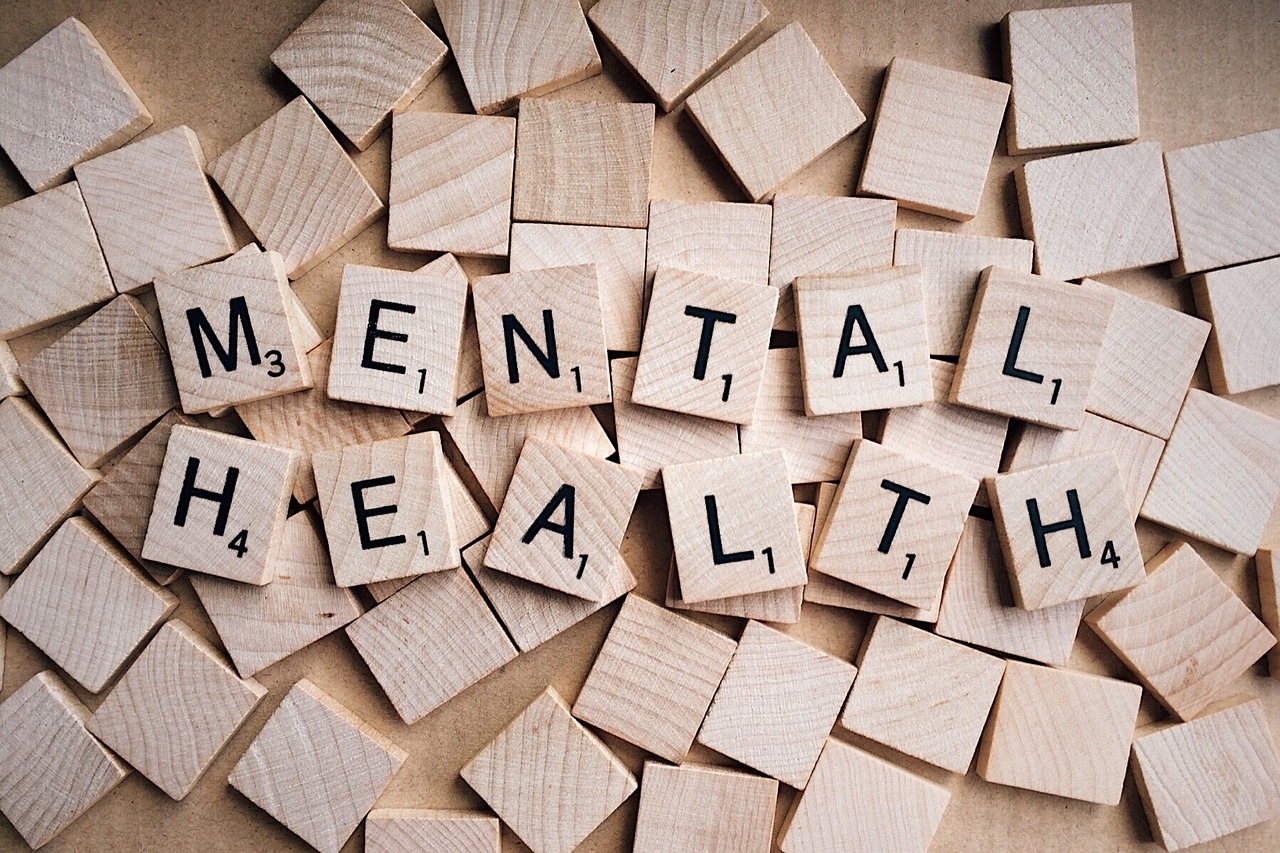
Mental Health Awareness: Why 2025 Is the Turning Point We Can’t Ignore
Introduction: Why Mental Health Awareness in 2025 Hits Different
Mental health isn’t just a “health topic” anymore — it’s a global survival skill.
More people in 2025 are stressed, overstimulated, burned out, overwhelmed, or dealing with silent emotional battles they don’t talk about. Work pressure, social media comparison, economic instability, and digital overload are hitting harder than ever.
But here’s the real talk:
Raising mental health awareness isn’t only about identifying disorders — it’s about helping people understand their emotions, take control of their wellbeing, and recognize when they need support.
This guide breaks down everything: symptoms, solutions, prevention, coping, trends, scientific research, expert opinions, and what YOU can do to protect your mental wellbeing.
What Mental Health Awareness Really Means Today
Mental health awareness today is not just “knowing mental illnesses exist.”
It includes:
-
Understanding early emotional signs
-
Reducing stigma around therapy and medication
-
Encouraging open conversations
-
Promoting preventative practices
-
Creating safe spaces at home, school, and work
-
Recognizing stress, anxiety, or burnout before they explode
Awareness is power, but awareness + action is life changing.
Why 2025 Became a Critical Year for Mental Health
Several 2023–2025 studies reveal a major spike in mental health issues globally:
-
WHO reports depression as the leading cause of disability worldwide
-
CDC data shows rising anxiety and burnout in youth
-
Workplaces report a 35–40% increase in stress-related leave
-
Social media usage has hit an all-time high (especially doomscrolling)
-
Economic challenges are pushing people into chronic stress cycles
But here’s the twist:
2025 is also the year people are finally starting to take emotional wellbeing seriously — therapy is normalized, digital mental health tools are booming, and awareness is becoming a mainstream movement.
Common Mental Health Challenges People Face Today
Stress
Chronic stress affects focus, sleep, hormones, immune system, and long-term health.
Anxiety
Fast heartbeats, racing thoughts, irritability, or feeling “on edge”.
Depression
Loss of interest, sadness, fatigue, sleep issues, or withdrawal from activities.
Burnout
Mental exhaustion caused by long-term pressure without recovery.
Loneliness
Even with digital connections, more young adults report emotional isolation.
Overthinking
A major trigger for anxiety and sleep problems.
These aren’t “overreactions.”
These are legitimate emotional struggles that need real solutions.
Early Warning Signs You Should Never Ignore
These red flags often mean your mental state needs attention:
-
Constant fatigue or low energy
-
Difficulty concentrating
-
Changes in eating or sleeping patterns
-
Feeling overwhelmed by small tasks
-
Mood swings without reason
-
Loss of interest in hobbies
-
Withdrawing from family or friends
-
Persistent loneliness
-
Physical symptoms (headaches, digestion issues)
Recognizing these early can literally prevent long-term mental health disorders.
Major Causes of Mental Health Problems in 2025
Digital Overload
24/7 notifications → dopamine dependence → attention fatigue.
Economic Pressure
Inflation, job instability, and financial anxiety.
Social Media Comparison
Perfect lifestyles online → insecurity offline.
Lifestyle Imbalance
Poor sleep, no sunlight, no physical activity, poor diet.
Family Stress
Dysfunctional household, pressure, or expectations.
Academic Pressure
Students dealing with intense study loads, competition, and identity struggles.
Workplace Pressure
Long hours, toxic environments, unrealistic expectations.
You’re not “weak” for struggling — you’re human.
How Mental Health Awareness Helps Communities Grow Stronger
Awareness encourages:
-
Early detection
-
Better support systems
-
Healthier coping mechanisms
-
Reduced suicide rates
-
Stronger emotional intelligence
-
More connected communities
-
Better productivity and creativity
-
Compassion toward others
When society understands emotions, everything improves — relationships, workplaces, communities, and the future.
Benefits of Improving Your Mental Health
-
Better sleep and more energy
-
Clearer thinking and sharper focus
-
Increased confidence
-
Improved relationships
-
More emotional control
-
Higher productivity
-
Stronger decision-making
-
Greater life satisfaction
-
Better physical health
Mental health doesn’t just change your mood — it transforms your entire life.
Simple Daily Habits That Strengthen Your Mental Wellbeing
Mindfulness
Just 5 minutes of mindful breathing can reduce stress instantly.
Regular Movement
Walking 20 minutes daily boosts dopamine & serotonin.
Sleep Hygiene
Consistent sleep schedule = better mood and focus.
Balanced Diet
Foods rich in omega-3, magnesium, and B-vitamins help regulate mood.
Limiting Screens
Especially before bed to avoid overstimulation.
Journaling
Releasing emotions through writing reduces stress dramatically.
Positive Social Interactions
Even small conversations improve mood hormones.
Hydration
Dehydration is linked to anxiety and mood swings.
These micro-habits add up to HUGE emotional stability over time.
Breaking the Stigma Around Mental Health
Stigma is one of the biggest barriers stopping people from seeking help.
People hesitate because they fear:
-
Being judged
-
Being called “dramatic”
-
Being told “it’s all in your head”
-
Being seen as weak
But emotional health is just as real and important as physical health.
If you can seek help for a fever or injury, you can seek help for your mental state too. Therapy, counseling, medication — all valid, all humans.
How to Support Friends or Family Going Through Mental Struggles
You don’t need a psychology degree.
You just need empathy.
-
Listen more than you speak
-
Don’t judge or invalidate feelings
-
Ask open-ended questions
-
Don’t force solutions
-
Check in regularly
-
Encourage professional help if needed
-
Maintain privacy and trust
Your support could literally save someone’s life.
Therapy & Counseling: Why They’re Game-Changers
Therapy isn’t only for people with severe mental health disorders.
It helps with:
-
Stress
-
Life transitions
-
Relationship challenges
-
Self-esteem issues
-
Career anxiety
-
Trauma
-
Childhood wounds
-
Identity confusion
-
Motivation problems
If your mind feels heavy, therapy helps lighten it.
Digital Mental Health Tools on the Rise (2025 Trends)
New digital solutions are making mental health accessible:
-
AI-based emotional wellness apps
-
Mood tracking tools
-
Journaling apps
-
Virtual therapy sessions
-
Guided meditation platforms
-
Sleep optimization tools
These aren’t replacements for professionals, but they help people understand and manage their emotions better.
Mental Health at Work: What Companies Must Do Now
In 2025, employees expect workplaces to care about their emotional wellbeing.
Companies need:
-
Mental health days
-
Flexible working hours
-
Burnout prevention policies
-
Employee assistance programs
-
Mental health training
-
Transparent communication
-
Regular check-ins
Work culture is evolving — and mental health is becoming a top priority.
Students & Mental Health: A Silent Crisis
Students are battling:
-
Academic pressure
-
Competition
-
Career confusion
-
Social anxiety
-
Bullying
-
Identity issues
-
Family expectations
Schools and universities must include:
-
Counseling services
-
Safe spaces
-
Emotional education
-
Stress management programs
-
Early intervention systems
Student mental health determines the future of society.
Practical Steps to Improve Your Mental Health Right Now
-
Reduce caffeine
-
Spend time in sunlight
-
Take digital breaks
-
Set boundaries
-
Celebrate small wins
-
Practice gratitude
-
Talk to someone you trust
-
Avoid toxic environments
-
Limit negative social media exposure
Simple steps → massive mental clarity.
When to Seek Professional Help
Get help if you:
-
Feel down most days
-
Lose interest in activities
-
Have trouble functioning normally
-
Experience panic attacks
-
Struggle with sleep
-
Have persistent negative thoughts
-
Feel isolated
-
Experience trauma symptoms
Therapists, psychiatrists, counselors — they’re trained to support you safely and professionally.
Conclusion: Mental Health Awareness Isn’t a Trend — It’s a Lifeline
Mental health awareness empowers you to understand your emotions, take responsibility for your wellbeing, support others, and build a healthier future.
2025 is the year to prioritize your mind the same way you prioritize your body, goals, and ambitions.
When you take care of your emotional world, every aspect of your life levels up.
Share this article — you never know who might need it today.
FAQs
Q.1 What is mental health awareness?
It means understanding emotions, recognizing early signs of mental struggles, and encouraging healthier habits and conversations.
Q.2 What are early signs of poor mental health?
Irritability, low motivation, sleep issues, fatigue, anxiety, mood swings, and difficulty concentrating.
Q.3 How can I improve my mental health daily?
Get sunlight, move your body, hydrate, journal, reduce screen time, sleep well, and talk to supportive people.
Q.5 Why is mental health awareness important?
It reduces stigma, encourages early detection, and helps build healthier communities and relationships.
Q.5 When should I seek professional help?
If you feel overwhelmed, lose interest in daily life, or your emotions affect your relationships, work, or studies.


