

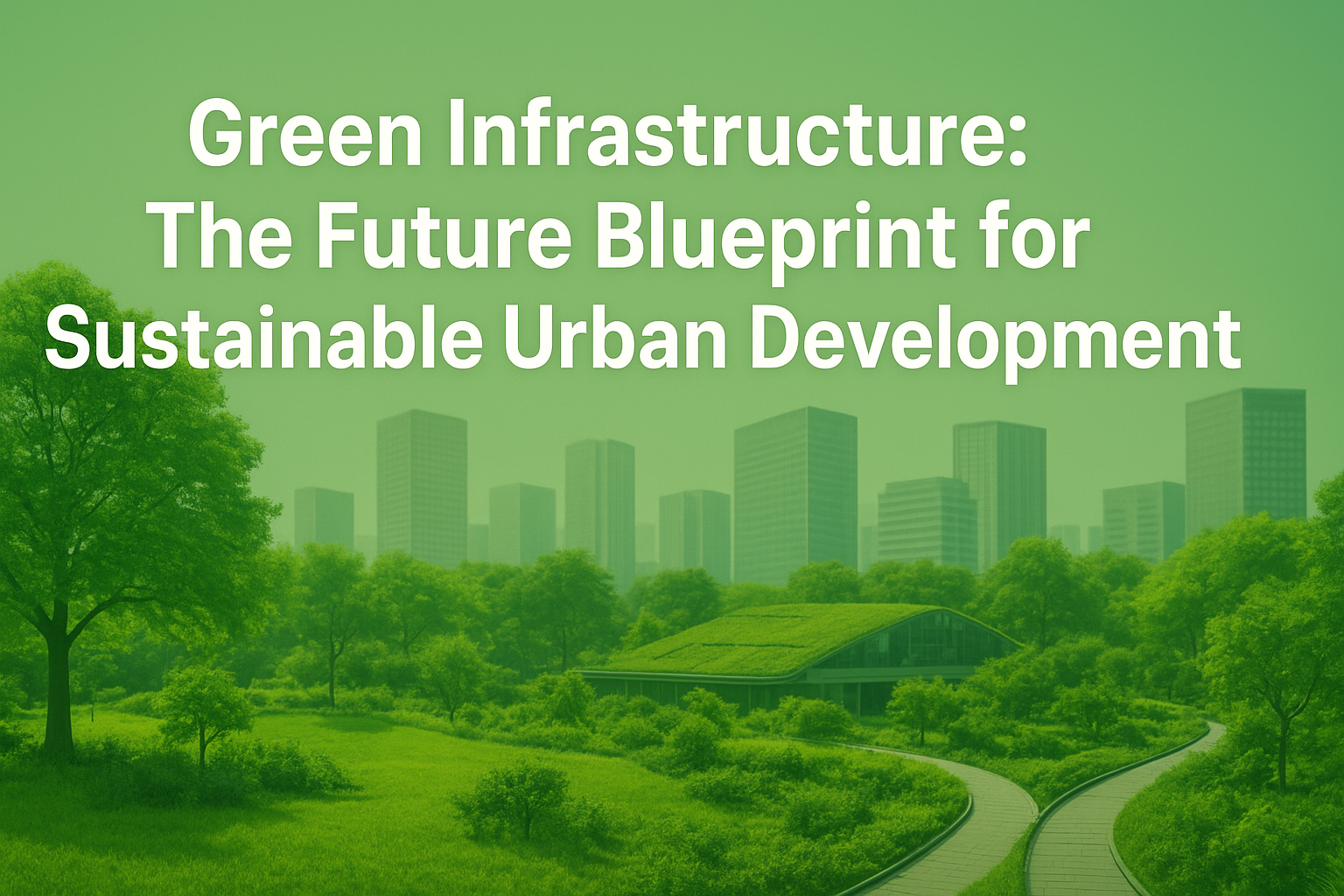
Green Infrastructure: The Future Blueprint for Sustainable Urban Development
Introduction: Cities Are Going Green—Here’s Why It Matters
Have you ever wondered why modern cities are suddenly sprouting rooftop gardens, tree-lined streets, and rain gardens on every corner? The answer lies in a revolutionary approach transforming how we build and develop urban spaces.
Green infrastructure represents the integration of natural systems into urban environments to create healthier, more sustainable cities. Unlike traditional gray infrastructure that relies solely on concrete and steel, this innovative approach combines nature-based solutions with urban planning to address pressing challenges like climate change, flooding, and air pollution.
As urban populations continue growing—with projections showing 68% of the world’s population living in cities by 2050—the need for sustainable urban infrastructure has never been more urgent. Cities worldwide are recognizing that incorporating green corridors, permeable surfaces, and urban forests isn’t just aesthetically pleasing; it’s essential for survival.
This comprehensive guide explores how green infrastructure is reshaping urban development, the proven benefits driving this transformation, and actionable strategies cities can implement today.
Understanding Green Infrastructure in Modern Urban Development
What Exactly Is Green Infrastructure?
Green infrastructure encompasses a network of natural and semi-natural systems designed to manage environmental challenges while providing multiple benefits to urban communities. Think of it as nature’s own engineering solution embedded within city landscapes.
These systems include:
- Urban forests and street trees that reduce heat island effects
- Green roofs and walls that insulate buildings and manage rainfall
- Rain gardens and bioswales that filter stormwater naturally
- Permeable pavements allowing water infiltration
- Urban parks and green corridors connecting natural habitats
Unlike conventional infrastructure that treats problems in isolation, green infrastructure addresses multiple urban challenges simultaneously through integrated, ecosystem-based approaches.
The Science Behind Nature-Based Urban Solutions
Research from leading environmental institutions demonstrates that green infrastructure provides measurable ecosystem services worth billions annually. A 2024 study published in Nature Sustainability found that cities with comprehensive green infrastructure networks experienced 30% lower temperatures during heat waves compared to those relying solely on traditional cooling methods.
The mechanism is straightforward yet powerful. Plants absorb carbon dioxide, release oxygen, and cool surrounding air through evapotranspiration. Soil and vegetation act as natural filters, removing pollutants from air and water. Root systems prevent erosion and manage stormwater runoff that would otherwise overwhelm drainage systems.

Critical Benefits Driving Green Infrastructure Adoption
Climate Adaptation and Resilience
Cities face unprecedented climate challenges, from intense heat waves to devastating floods. Green infrastructure offers proven climate-resilient solutions that help communities adapt rather than simply react.
Permeable surfaces and rain gardens can absorb up to 90% of rainfall during moderate storms, significantly reducing flood risks. Urban forests lower ambient temperatures by 2-8 degrees Fahrenheit, providing natural cooling that saves energy and protects vulnerable populations during extreme heat events.
Economic Value That Transforms City Budgets
The financial case for sustainable urban infrastructure is compelling. Philadelphia’s Green City, Clean Waters program demonstrated that green infrastructure costs 50% less than traditional gray infrastructure while providing additional benefits like improved property values and enhanced recreation opportunities.
Property values near urban green spaces consistently show 5-20% premiums compared to similar properties without green amenities. Reduced stormwater management costs, lower energy consumption, and decreased healthcare expenses from improved air quality generate substantial long-term savings for municipalities.
Public Health Improvements You Can Measure
Access to urban green spaces correlates directly with better physical and mental health outcomes. Communities with robust green infrastructure networks report:
- Reduced respiratory illnesses due to improved air quality
- Lower stress levels and better mental health indicators
- Increased physical activity through accessible parks and green corridors
- Decreased urban heat-related mortality during extreme weather events
A comprehensive 2023 analysis by the World Health Organization found that strategic urban greening could prevent approximately 43,000 premature deaths annually across European cities alone.
Implementing Effective Green Infrastructure Strategies
Planning Phase: Assessment and Design
Successful green urban ecosystem solutions begin with thorough environmental impact assessment and community engagement. City planners must evaluate existing conditions, identify priority areas, and design integrated systems that address specific local challenges.
Key considerations include:
- Climate and weather patterns specific to the region
- Existing drainage and infrastructure systems
- Available space for green infrastructure installation
- Community needs and preferences
- Budget constraints and funding opportunities
Smart city technology now enables precise monitoring and optimization of green infrastructure performance, allowing municipalities to track effectiveness and adjust strategies based on real-time data.
Green Roofs and Vertical Gardens
Green roofs represent one of the most versatile sustainable building materials strategies. These living systems reduce building energy consumption by 30-40%, extend roof lifespan, and create valuable habitat for urban biodiversity.
Singapore’s “City in a Garden” vision showcases the potential of vertical greening. The city-state has implemented over 100 hectares of green roofs and vertical gardens, transforming buildings into living ecosystems that contribute to urban cooling and biodiversity conservation.
Sustainable Stormwater Management Systems
Traditional drainage systems struggle with increasing rainfall intensity caused by climate change. Low-impact development strategies prioritize natural water infiltration and treatment through:
- Bioswales that filter and slow stormwater runoff
- Rain gardens designed to capture and absorb precipitation
- Permeable parking lots and sidewalks allowing natural drainage
- Constructed wetlands providing natural water treatment
Portland, Oregon has installed over 2,000 green street facilities that manage 1.3 billion gallons of stormwater annually, demonstrating the scalability of these approaches.
Overcoming Common Implementation Challenges
Addressing Maintenance Concerns
Critics often cite maintenance requirements as barriers to green infrastructure adoption. However, properly designed systems require comparable or less maintenance than traditional infrastructure once established.
Creating clear maintenance protocols, training municipal staff, and engaging community stewards ensures long-term success. Many cities have discovered that involving local residents in green space management builds community pride while reducing municipal costs.
Securing Funding and Political Support
Financial constraints challenge many municipalities considering green infrastructure investments. Successful cities have leveraged multiple funding sources including:
- Federal and state environmental grants
- Green bonds and climate financing
- Public-private partnerships
- Stormwater utility fees dedicated to green infrastructure
- LEED certification incentives for private developments
Building political support requires demonstrating tangible benefits through pilot projects and highlighting success stories from peer cities.
Future Trends in Eco-Friendly City Planning
Integration with Smart City Technology
The convergence of green infrastructure and digital technology creates unprecedented opportunities. Sensor networks monitor soil moisture, air quality, and temperature, enabling automated irrigation systems and real-time performance optimization.
Cities are developing predictive models that forecast infrastructure needs and optimize green space distribution for maximum community benefit.
Policy Innovation and Municipal Sustainability Initiatives
Progressive municipal sustainability initiatives are establishing new standards for urban development. Requirements for green infrastructure in new developments, incentive programs for retrofitting existing buildings, and comprehensive urban forestry programs are becoming standard practice.
Copenhagen’s ambitious goal to become the world’s first carbon-neutral capital by 2025 relies heavily on integrated green infrastructure throughout the urban fabric, from extensive bicycle infrastructure to massive green roofs and urban wetlands.
Conclusion: Building Tomorrow’s Sustainable Cities Today
Green infrastructure represents far more than a trend—it’s a fundamental reimagining of how humans can thrive within urban environments while respecting natural systems. The evidence is clear: cities that invest in nature-based solutions today will be more livable, resilient, and economically competitive tomorrow.
As climate challenges intensify and urban populations grow, the question isn’t whether cities can afford to implement green infrastructure. The real question is whether they can afford not to.
Every tree planted, every green roof installed, and every permeable surface created contributes to a healthier urban future. The transformation toward sustainable urban development is happening now, one green space at a time.
Frequently Asked Questions
Q1: What is the difference between green infrastructure and traditional infrastructure?
Traditional gray infrastructure uses engineered systems like pipes and concrete to manage urban challenges. Green infrastructure leverages natural processes through vegetation, soil, and ecosystem functions to provide multiple benefits simultaneously, including stormwater management, air quality improvement, and urban cooling.
Q2: How much does green infrastructure cost compared to conventional approaches?
Initial costs vary, but comprehensive studies show green infrastructure typically costs 20-50% less than traditional gray infrastructure over its lifetime when considering maintenance, energy savings, and co-benefits like improved property values and public health.
Q3: Can green infrastructure work in cold climates?
Absolutely. Cold-climate cities successfully implement adapted green infrastructure including native plant selections, proper drainage design for freeze-thaw cycles, and seasonal maintenance protocols. Minneapolis, Toronto, and Stockholm have thriving green infrastructure programs.
Q4: How does green infrastructure help with climate change?
Green infrastructure helps cities both mitigate and adapt to climate change by sequestering carbon, reducing urban heat island effects, managing increased stormwater from intense rainfall events, and providing cooling during extreme heat waves.
Q5: What role can individuals play in supporting urban green infrastructure?
Residents can install rain gardens, choose permeable driveway materials, support green infrastructure policies, participate in tree-planting programs, and advocate for green spaces in their communities. Individual actions collectively create significant urban transformation.


