

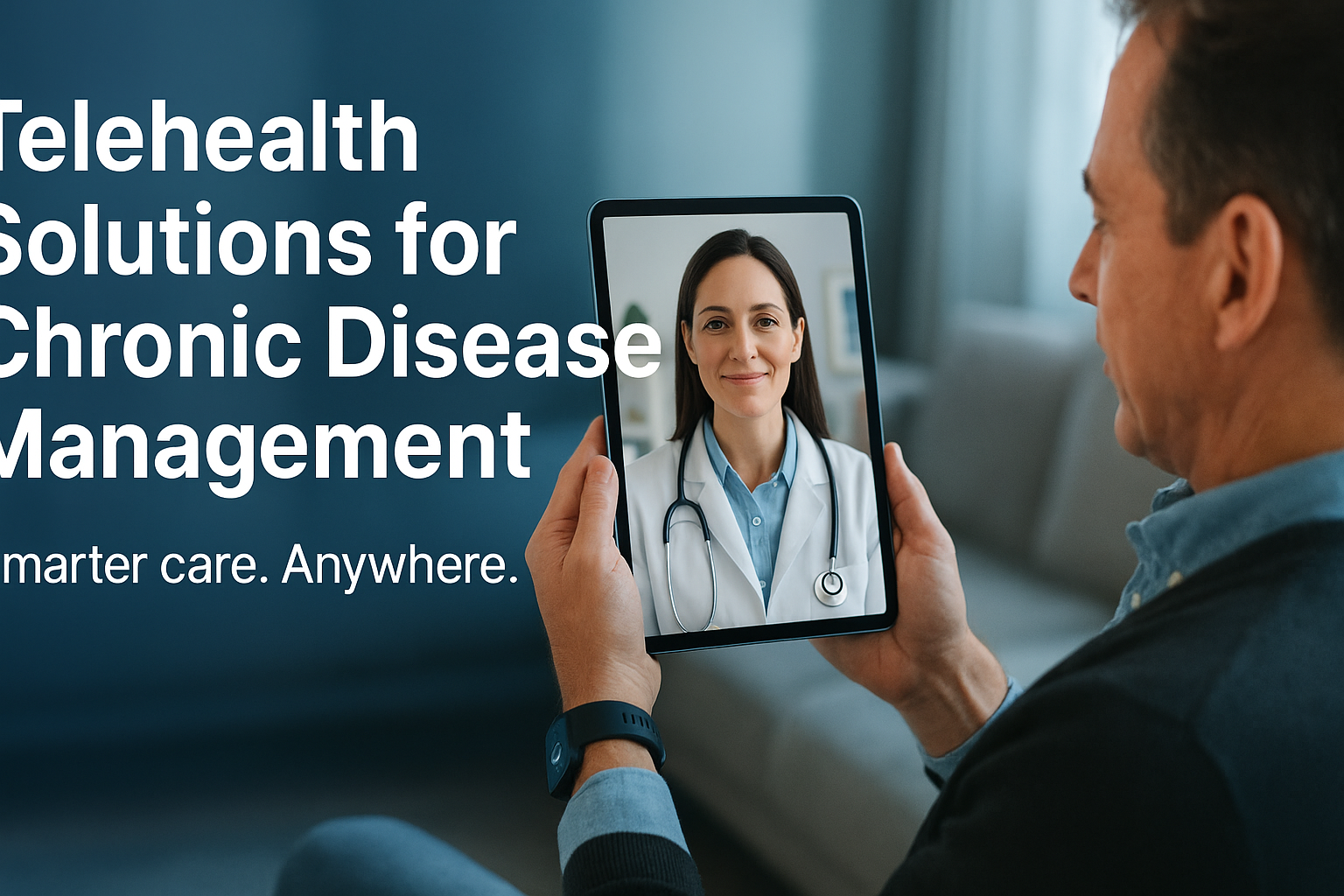
Telehealth Solutions for Chronic Disease Management: Transform Your Care in 2025
Living with a chronic disease means constant vigilance, regular checkups, and endless trips to the doctor’s office. But what if managing your condition could be as simple as opening an app on your phone? Welcome to the revolution of telehealth solutions for chronic disease management—a game-changer that’s transforming how millions of patients receive care in 2025.
Chronic diseases like diabetes, hypertension, cardiovascular conditions, and chronic respiratory diseases affect nearly 60% of adults globally, according to the World Health Organization. Managing these conditions traditionally requires frequent clinic visits, which can be time-consuming, expensive, and sometimes impossible for patients in remote areas. That’s where telehealth steps in, offering remote patient monitoring, virtual consultations, and continuous health tracking that keeps you connected to your healthcare team without leaving home.
In this comprehensive guide, we’ll explore how telehealth solutions are reshaping chronic care management, the technologies driving this transformation, and why this shift matters for your long-term health.
What Are Telehealth Solutions for Chronic Disease Management?
Telehealth solutions for chronic disease management encompass digital health platforms and technologies that enable healthcare providers to monitor, diagnose, and treat patients with long-term conditions remotely. These solutions combine telemedicine consultations, remote patient monitoring devices, mobile health apps, and AI-driven analytics to deliver personalized, continuous care.
Unlike traditional healthcare models where patients visit clinics every few months, telehealth platforms create ongoing connections between patients and providers. Real-time health data flows seamlessly from wearable devices and home monitoring equipment to electronic health records, allowing doctors to detect warning signs early and adjust treatment plans proactively.
The Centers for Disease Control and Prevention reports that telehealth utilization increased dramatically during recent years, with chronic disease management being one of the most successful applications. Patients with diabetes, hypertension, and heart conditions particularly benefit from continuous monitoring and timely interventions.
Key Components of Technology-Enabled Chronic Disease Management
Remote Patient Monitoring Solutions
Remote patient monitoring represents the backbone of modern chronic care management. RPM devices collect vital health metrics—blood pressure, glucose levels, heart rate, oxygen saturation, and weight—automatically transmitting this data to healthcare providers.
For diabetes patients, continuous glucose monitors track blood sugar levels throughout the day, alerting both patients and doctors to dangerous fluctuations. Hypertension patients use smart blood pressure cuffs that sync with their smartphones, creating detailed logs that reveal patterns traditional office visits might miss.
These monitoring tools don’t just collect data; they empower patients to become active participants in their care. When you see your numbers daily, you understand how lifestyle choices impact your condition, leading to better medication adherence and healthier decisions.
Virtual Consultations and Digital Therapeutics
Virtual care visits have evolved far beyond simple video calls. Today’s telehealth platforms integrate comprehensive communication tools, screen sharing for reviewing test results, and digital prescription services. Patients can schedule appointments during lunch breaks, eliminating travel time and reducing missed workdays.
Digital therapeutics take this further by delivering evidence-based interventions through software programs. These FDA-cleared applications provide behavioral therapy, medication reminders, and personalized coaching that complements traditional medical treatment. For chronic respiratory diseases like COPD or asthma, digital therapeutics guide breathing exercises and track symptom progression.
Healthcare providers appreciate virtual consultations because they enable more frequent touchpoints without overwhelming clinic schedules. A quick 10-minute video check-in can prevent complications that would otherwise require emergency room visits.
AI-Driven Healthcare Solutions and Predictive Analytics
Artificial intelligence transforms raw health data into actionable insights. Machine learning algorithms analyze patterns across thousands of data points, predicting potential health crises before symptoms become severe. For cardiovascular disease monitoring, AI can detect irregular heart rhythms or concerning trends that warrant immediate attention.
Care coordination platforms powered by AI help healthcare teams manage large patient populations efficiently. These systems flag high-risk patients who need urgent follow-up, automate routine communications, and suggest personalized care pathways based on individual health profiles.
Health data analytics also reveal population-level insights that improve chronic disease management protocols. By analyzing outcomes across thousands of patients, healthcare organizations identify which interventions work best for specific demographics and conditions.
Benefits of Telehealth for Chronic Care Patients
Improved Healthcare Accessibility and Health Equity
Telehealth solutions demolish geographical barriers that once prevented quality chronic care. Rural patients who previously drove hours to see specialists now access expert consultations from home. Elderly patients with mobility limitations avoid the physical strain of clinic visits while maintaining regular contact with their care teams.
This accessibility directly impacts health equity. Underserved communities often lack specialized chronic disease management resources, but telemedicine connects these patients with providers nationwide. Virtual care also reduces financial barriers by eliminating transportation costs and minimizing time away from work.
The WHO emphasizes that technology-enabled care delivery is essential for achieving universal health coverage, particularly for chronic conditions that require lifelong management.
Enhanced Patient Engagement and Self-Management
When patients actively participate in their care, outcomes improve dramatically. Telehealth platforms include patient engagement tools like educational content, symptom trackers, and community support forums that keep individuals informed and motivated.
Mobile apps send medication reminders, reducing the risk of missed doses—a critical factor in chronic disease control. Interactive dashboards show progress toward health goals, creating positive reinforcement that encourages continued adherence to treatment plans.
Studies published in peer-reviewed medical journals demonstrate that remote patient monitoring combined with digital coaching improves glycemic control in diabetes patients and reduces blood pressure in hypertension patients more effectively than traditional care alone.
Cost-Effectiveness and Healthcare Cost Reduction
Telehealth solutions for chronic disease management deliver substantial cost savings for both patients and healthcare systems. Remote monitoring prevents expensive complications by catching problems early. A timely medication adjustment during a virtual visit costs a fraction of hospitalization for diabetic ketoacidosis or heart failure exacerbation.
Value-based care models increasingly incorporate telehealth because it aligns financial incentives with patient outcomes. Providers who keep chronic disease patients healthy through continuous remote monitoring receive better reimbursements than those who only treat acute crises.
For patients, telehealth reduces out-of-pocket expenses beyond just copays. Lost wages from missed work, childcare costs during appointments, and transportation expenses add up quickly over years of chronic disease management. Virtual care eliminates most of these hidden costs.
Challenges and Limitations of Telemedicine in Chronic Disease Care
Despite remarkable benefits, telehealth platforms face important challenges. Digital literacy varies widely among patient populations, particularly elderly individuals managing multiple chronic conditions. Not everyone has reliable internet access or smartphones capable of running sophisticated health apps.
HIPAA-compliant secure healthcare platforms are essential but sometimes create technical barriers. Patients struggle with password resets, complicated login procedures, and navigation through multiple applications for different aspects of their care.
Telehealth interoperability remains an ongoing challenge. When remote monitoring devices, electronic health records, and communication platforms don’t integrate seamlessly, healthcare providers waste time manually transferring information. This fragmentation can compromise care coordination and patient safety.
Some patients also prefer face-to-face interactions with their doctors. The therapeutic relationship built through in-person visits provides emotional support that virtual consultations may not fully replicate. Additionally, certain physical examinations and diagnostic procedures still require clinic visits, making telehealth a complement to rather than complete replacement for traditional care.
The Future of Telehealth in Chronic Disease Management
Looking ahead, telehealth solutions will become increasingly sophisticated and personalized. Wearable health devices are shrinking in size while expanding in capability. Future smartwatches may continuously monitor blood glucose without finger sticks, track medication levels in bloodstreams, and even detect early cancer biomarkers.
Personalized care pathways driven by genomic data and machine learning will match patients with treatment protocols specifically designed for their genetic profiles and lifestyle patterns. Preventive healthcare technology will shift focus from managing existing conditions to preventing chronic diseases before they develop.
Integration with smart home systems could automate health tracking entirely. Your bathroom scale, refrigerator, and fitness equipment could communicate with healthcare providers, creating comprehensive pictures of your daily habits without requiring conscious data entry.
Telehealth platforms will also facilitate better care coordination among multiple specialists. A patient with diabetes, kidney disease, and cardiovascular conditions currently sees three different doctors who may not communicate effectively. Future digital health solutions will create unified care teams where all providers access shared data and collaborate on integrated treatment plans.
How to Choose the Best Telehealth Solutions for Your Chronic Disease
Evaluate Platform Features and Compatibility
Look for telehealth services that integrate with devices you already own or that provide equipment as part of the program. Check whether the platform works on your smartphone, tablet, or computer. Ensure the system connects with your pharmacy for prescription refills and your insurance provider for claims processing.
HIPAA compliance isn’t optional—verify that any platform you consider meets federal security standards. Read privacy policies carefully to understand how your health data will be used and protected.
Consider Your Specific Condition Requirements
Different chronic diseases require different monitoring approaches. Diabetes management prioritizes glucose tracking and insulin dosing guidance. Hypertension care focuses on blood pressure trends and medication effectiveness. Chronic respiratory disease monitoring emphasizes breathing patterns and oxygen levels.
Choose platforms designed for your specific conditions. General telemedicine services may offer basic video visits, but specialized chronic care management programs provide condition-specific tools, educational resources, and clinical protocols that deliver better outcomes.
Assess Provider Support and Communication
The best technology means nothing without responsive healthcare providers. Investigate how quickly the clinical team responds to concerning data or patient questions. Ask whether nurses or care coordinators are available between doctor appointments for guidance and support.
Some programs assign dedicated care teams who get to know your health history intimately, while others rotate you among available providers. Continuity of care matters significantly in chronic disease management, so prioritize platforms that maintain consistent provider relationships.
Frequently Asked Questions
Q1: Is telehealth effective for chronic disease management?
A: Yes, extensive research shows that telehealth solutions improve outcomes for chronic conditions. Remote patient monitoring combined with virtual consultations helps patients achieve better blood sugar control, lower blood pressure, and reduced hospitalizations compared to traditional care alone. The key is consistent engagement with the technology and regular communication with healthcare providers.
Q2: Can telehealth replace in-person visits for chronic diseases?
A: Telehealth complements rather than completely replaces in-person care. While remote monitoring and virtual consultations handle most routine management, you’ll still need occasional clinic visits for physical examinations, certain diagnostic tests, and procedures. The ideal approach combines both telehealth and traditional care based on your individual needs.
Q3: How much do telehealth solutions for chronic disease management cost?
A: Costs vary widely depending on your insurance coverage and the specific platform. Many insurance plans now cover telemedicine visits and remote patient monitoring services. Medicare provides reimbursement for chronic care management services. Some programs charge monthly subscription fees ranging from $20 to $200, while others are covered entirely by insurance. Check with your insurance provider about coverage details.
Q4: What equipment do I need for remote patient monitoring?
A: Basic requirements include a smartphone or tablet with internet access for video visits and data transmission. Depending on your condition, you may need specific monitoring devices like blood pressure cuffs, glucose meters, pulse oximeters, or weight scales. Many telehealth programs provide these devices or help you purchase them at reduced costs.
Q5: Is telehealth platforms secure and private?
A: Reputable telehealth solutions must comply with HIPAA regulations, which mandate strict security measures to protect your health information. Look for platforms that use encrypted communications, secure data storage, and multi-factor authentication. Always review privacy policies and avoid sharing login credentials to maintain security.
Q6: How does telehealth improve medication adherence?
A: Telehealth platforms include medication reminders through smartphone notifications, track when you take doses, and alert healthcare providers if you miss medications consistently. Virtual check-ins create accountability, and some systems integrate with smart pill bottles that monitor when medications are dispensed. This comprehensive approach significantly improves adherence compared to relying on memory alone.
Conclusion: Embracing the Digital Health Transformation
Telehealth solutions for chronic disease management represent more than technological convenience—they fundamentally improve how we approach lifelong health conditions. By providing continuous monitoring, personalized interventions, and seamless communication between patients and providers, these digital health platforms deliver better outcomes while reducing costs and increasing accessibility.
Whether you’re managing diabetes, hypertension, cardiovascular disease, or chronic respiratory conditions, exploring telehealth options could transform your care experience. The technology continues evolving rapidly, offering increasingly sophisticated tools that empower you to take control of your health.
As healthcare systems worldwide embrace digital transformation, patients who adopt these solutions early position themselves for better long-term health outcomes. Talk to your healthcare provider about available telehealth programs suitable for your specific conditions. The future of chronic care is here—and it’s more connected, personalized, and effective than ever before.
Ready to revolutionize your chronic disease management? Share this article with someone who could benefit from telehealth solutions, and take the first step toward better, more convenient care today.


