

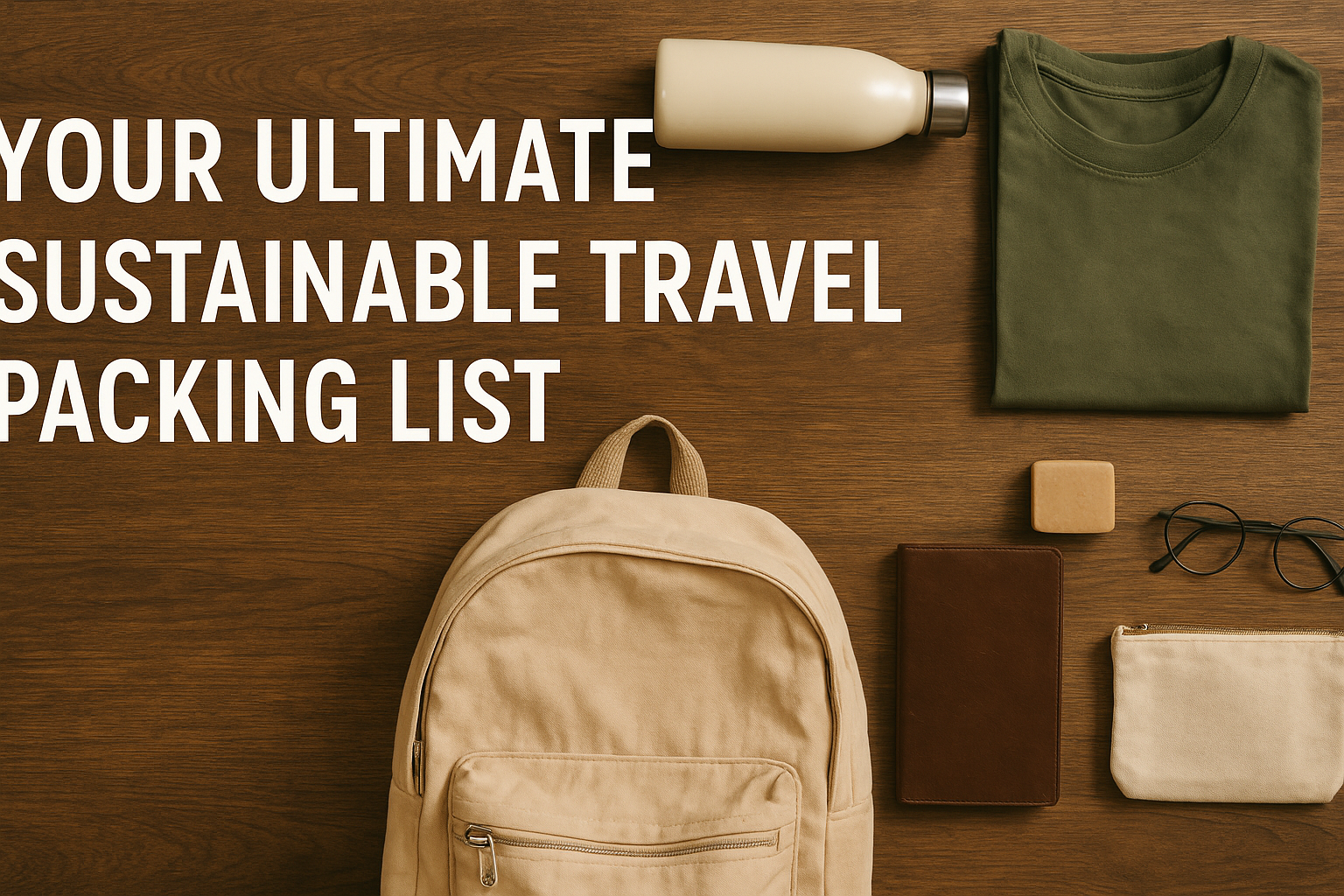
Your Ultimate Sustainable Travel Packing List: 25 Eco-Friendly Essentials You Can’t Forget in 2025
Have you ever returned from a trip and realized how much single-use plastic you accumulated? From hotel toiletries to disposable water bottles, traditional travel creates unnecessary waste. But what if you could explore the world without leaving a trail of trash behind?
Welcome to the era of sustainable travel, where eco-conscious explorers are rewriting the rules of packing. According to the United Nations World Tourism Organization, tourism accounts for approximately 8% of global carbon emissions. However, making mindful packing choices can significantly reduce your environmental footprint while traveling.
This comprehensive sustainable travel packing list will transform how you prepare for adventures. Whether you’re backpacking through Southeast Asia or taking a weekend city break, these eco-friendly travel essentials ensure you explore responsibly without compromising comfort or convenience.
Why Sustainable Travel Packing Matters More Than Ever
Climate change isn’t slowing down, and neither is the travel industry’s impact on our planet. Every year, travelers generate millions of tons of waste, from plastic bottles to forgotten toiletries left in hotel rooms.
The good news? Small changes in your packing habits create ripple effects. When you choose reusable travel items over disposable ones, you’re not just reducing waste—you’re supporting ethical brands, conserving resources, and inspiring fellow travelers to follow suit.
Research from the Travel Foundation shows that eco-conscious travel choices can reduce a traveler’s carbon footprint by up to 30%. That’s significant impact from simply rethinking what goes into your suitcase.
Additionally, sustainable packing saves money. Investing in quality, reusable products means fewer purchases on the road and lower costs long-term. You’ll spend less on bottled water, disposable razors, and replacement items that break after one trip.
Essential Eco-Friendly Travel Items for Your Luggage
Sustainable Hydration Solutions
Reusable Water Bottle with Filter Your first line of defense against plastic waste starts with hydration. A high-quality reusable water bottle eliminates the need for single-use plastic bottles, which take 450 years to decompose.
Choose stainless steel or BPA-free options with built-in filters. Brands like Grayl and LifeStraw offer bottles that purify water from virtually any source, making them perfect for international adventures where water quality varies.
Pro tip: Collapsible silicone bottles save space when empty and work great for hiking or backpacking trips.
Reusable Coffee Cup Coffee lovers rejoice! A portable, insulated coffee cup keeps beverages hot or cold while reducing disposable cup waste. Many cafes worldwide now offer discounts when you bring your own cup—typically 10-25 cents off per drink.
Look for leak-proof designs that fit standard cup holders. Bamboo fiber cups offer lightweight, biodegradable alternatives to traditional options.
Zero-Waste Toiletries and Personal Care
Solid Shampoo and Conditioner Bars Liquid toiletries create packaging waste and TSA headaches. Solid shampoo bars revolutionize travel hygiene—each bar replaces 2-3 plastic bottles and lasts for dozens of washes.
Ethique, HiBAR, and Lush offer fantastic options for different hair types. These concentrated bars are travel-sized by nature, taking up minimal luggage space while delivering salon-quality results.
Bamboo Toothbrush and Toothpaste Tablets Plastic toothbrushes contribute significantly to ocean pollution, with over 1 billion discarded annually in the United States alone. Bamboo toothbrushes decompose naturally within months, not centuries.
Pair your bamboo brush with toothpaste tablets—small, chewable pellets that foam when you brush. They’re TSA-friendly, lightweight, and eliminate plastic tubes completely. Brands like Bite and Lush lead this sustainable oral care revolution.
Reef-Safe Sunscreen Traditional sunscreens contain chemicals like oxybenzone and octinoxate, which damage coral reefs and marine ecosystems. Hawaii and other destinations have banned these harmful ingredients.
Choose mineral-based, reef-safe sunscreen with zinc oxide or titanium dioxide. Solid sunscreen sticks work brilliantly for travel—no spills, no TSA limits, and ocean-friendly protection.
Biodegradable Soap Sheets Forget bulky liquid soap bottles. Biodegradable soap sheets dissolve instantly in water, serving as body wash, hand soap, laundry detergent, and dish soap. These paper-thin sheets weigh nothing and fit anywhere in your bag.
Safety Razor with Replaceable Blades Disposable razors generate enormous plastic waste. A quality safety razor lasts decades with only metal blades needing replacement—blades that can be recycled.
Initial investment costs more, but you’ll save money within months while achieving closer, smoother shaves.
Sustainable Clothing and Accessories
Merino Wool and Organic Cotton Clothing Fast fashion harms the environment through water pollution, chemical use, and textile waste. When packing for sustainable travel, choose quality over quantity.
Merino wool naturally resists odors, regulates temperature, and requires less frequent washing—perfect for extended trips. Organic cotton clothing uses significantly less water and zero pesticides compared to conventional cotton.
Pack versatile pieces in neutral colors that mix and match easily. Aim for 5-7 clothing items that create multiple outfits.
Reusable Shopping Bags and Produce Bags Compact, foldable shopping bags are sustainable travel essentials. Use them for groceries, beach days, laundry, or impromptu shopping trips.
Mesh produce bags work perfectly for farmer’s markets and reduce plastic bag usage when buying fresh foods. They’re lightweight, washable, and practically invisible in your luggage.
Eco-Friendly Luggage Your choice of luggage matters too. Brands like Samsonite and Patagonia now offer suitcases and backpacks made from recycled materials, including ocean plastics and reclaimed fabrics.
Look for durable construction that withstands years of travel. Repair rather than replace when possible—many quality brands offer lifetime warranty programs.

Tech and Electronics for Green Travelers
Solar-Powered Charger Harness renewable energy while exploring. Solar chargers keep devices powered without electrical outlets, perfect for camping, hiking, or destinations with unreliable electricity.
Modern solar chargers are surprisingly compact and efficient. They work excellently as backup power sources even in partially cloudy conditions.
Universal Travel Adapter Instead of buying adapters in every country, invest in one quality universal adapter. This reduces electronic waste and ensures you’re always prepared for different outlet configurations worldwide.
Choose models with USB ports and surge protection for added functionality and device safety.
E-Reader Instead of Physical Books Book lovers face tough packing decisions. E-readers solve this dilemma—carry thousands of books in one lightweight device without cutting down trees or adding luggage weight.
While physical books have their charm, e-readers significantly reduce travel weight and environmental impact for avid readers.
Practical Eco-Friendly Travel Accessories
Reusable Utensils and Food Containers Avoid disposable cutlery by packing lightweight bamboo or stainless steel utensil sets. Include a collapsible food container for leftovers or street food.
These items let you refuse single-use plastics at food stalls, restaurants, and takeaway spots. Some countries are banning plastic utensils, making reusable sets increasingly necessary.
Beeswax Food Wraps Replace plastic wrap and aluminum foil with washable, reusable beeswax wraps. They’re perfect for wrapping sandwiches, covering snacks, or storing partially-eaten foods.
Beeswax wraps are naturally antimicrobial and last up to a year with proper care.
Microfiber Travel Towel Traditional towels take forever to dry and occupy precious luggage space. Microfiber travel towels dry rapidly, pack incredibly small, and work effectively for showering, swimming, or beach visits.
Choose quick-dry fabrics that resist mildew and odors even when packed damp.
Low-Waste Travel Hacks Beyond Your Packing List
Sustainable travel extends beyond physical items. Consider these green-friendly travel habits:
Digital Documentation Store tickets, reservations, and important documents digitally. This reduces paper waste and keeps everything organized in one place.
Choose Eco-Certified Accommodations Research hotels and hostels with Green Key, LEED, or similar sustainability certifications. These establishments prioritize environmental responsibility through energy efficiency, waste reduction, and water conservation.
Support Local and Ethical Businesses Purchase souvenirs from local artisans rather than mass-produced items. This supports community economies and reduces the carbon footprint associated with imported goods.
Offset Your Carbon Footprint While not perfect, carbon offset programs help mitigate travel emissions. Many airlines and third-party organizations offer affordable options to balance your environmental impact.
Building Your Minimalist Travel Packing Strategy
Less truly is more when it comes to sustainable travel. Minimalist packing reduces luggage weight, which decreases fuel consumption during transport—a direct environmental benefit.
Apply the one-week rule: pack enough clothing for seven days regardless of trip length. Laundry facilities exist worldwide, and wearing items multiple times between washes is perfectly acceptable.
Choose multi-purpose items whenever possible. A sarong functions as a beach cover-up, blanket, towel, or privacy screen. A bandana serves as a headband, napkin, mask, or washcloth.
Creating Your Personalized Eco Travel Checklist
Every traveler has unique needs based on destination, trip length, and activities planned. Use this sustainable travel packing list as your foundation, then customize based on your specific journey.
Start by evaluating your current travel gear. What disposable items can you replace with reusable alternatives? Which products serve multiple purposes? Where can you eliminate unnecessary items entirely?
Make sustainability part of your travel identity. The more you practice eco-conscious packing, the more natural these choices become. Eventually, you’ll automatically reach for sustainable options without conscious effort.
Frequently Asked Questions About Sustainable Travel Packing
Q.1 What is a sustainable travel packing list?
Ans. A sustainable travel packing list includes eco-friendly, reusable, and ethically made items that minimize environmental impact while traveling. It focuses on zero-waste alternatives, biodegradable products, and multi-purpose gear that reduces your carbon footprint during adventures.
Q.2 How can I be a more sustainable traveler?
Ans. Become a more sustainable traveler by choosing reusable over disposable items, supporting local businesses, selecting eco-certified accommodations, minimizing plastic consumption, and respecting local environments and cultures. Small consistent choices create significant positive impact over time.
Q.3 Who is this eco-friendly travel packing list for?
Ans. This sustainable packing guide benefits all travelers—from budget backpackers to luxury vacationers—who want to reduce environmental impact. Whether you’re taking your first eco-conscious trip or you’re a seasoned green traveler, these essentials help minimize waste regardless of destination or travel style.
Q.4 Is packing light a sustainable way to travel?
Ans. Absolutely! Packing light directly supports sustainable travel by reducing luggage weight, which decreases fuel consumption during transportation. Lighter bags also encourage buying less, choosing quality over quantity, and focusing on essential items rather than excessive consumption.
Q.5 What are the best eco-friendly brands for travel gear?
Ans. Top sustainable travel brands include Patagonia, Cotopaxi, Ten tree, United by Blue, and Prana for clothing and bags. For toiletries, consider Ethique, Lush, Plaine Products, and Native. Research brands’ sustainability practices, certifications, and transparency before purchasing.
Q.6 How much does it cost to switch to sustainable travel products?
Ans. Initial investment in sustainable travel essentials typically ranges from $150-300, but these durable products last years and save money long-term. Quality reusable items eliminate repeated purchases of disposable alternatives, paying for themselves within 6-12 months of regular travel.
Your Journey Toward Responsible Travel Starts Now
Sustainable travel isn’t about perfection—it’s about progress. Every eco-friendly choice in your luggage represents a step toward protecting the incredible destinations we love exploring.
Start small if the complete sustainable travel packing list feels overwhelming. Replace one disposable item with a reusable alternative before your next trip. Build gradually as products need replacement, prioritizing quality and sustainability.
The world’s most beautiful places deserve protection for future generations. Your sustainable travel packing list is more than items in a suitcase—it’s your commitment to responsible exploration.
What will you pack first? Share your favorite eco-friendly travel essentials in the comments below, and let’s inspire each other toward greener adventures!


Hei semua, hanya ingin mengatakan bahwa saya sangat menikmati membaca menelusuri postingan Anda. Saya tidak tahu pasti mengapa tetapi saya merasa banyak wawasan yang sangat berguna. Terima kasih!