

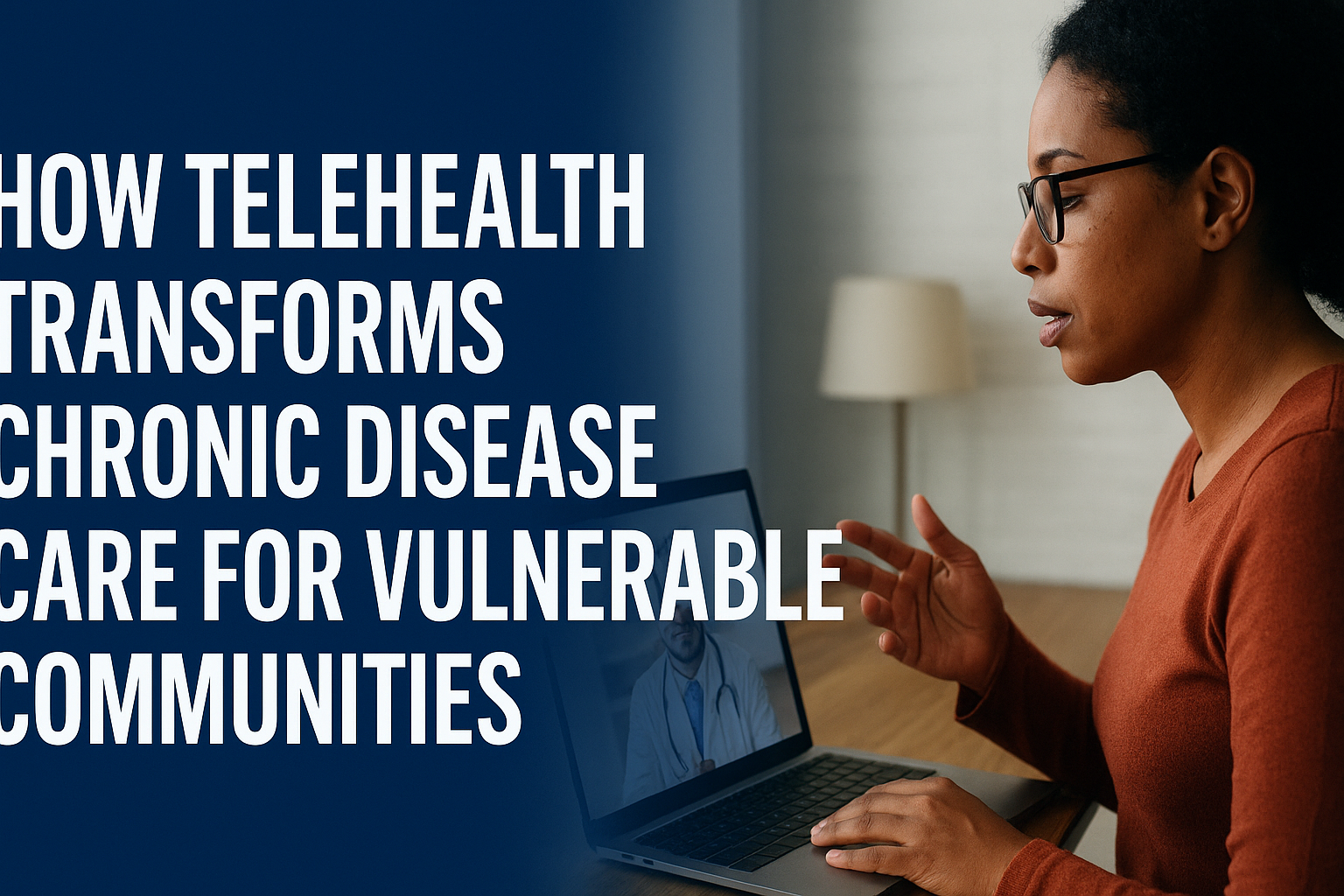
Breaking Barriers: How Telehealth Transforms Chronic Disease Care for Vulnerable Communities in 2025
Introduction:
Imagine living with diabetes in a rural area where the nearest specialist is 100 miles away. Or managing hypertension while working multiple jobs with no sick leave. For millions of vulnerable individuals, accessing consistent chronic disease care feels impossible. But what if healthcare could come to them?
Telehealth for chronic disease management among vulnerable populations has emerged as a transformative solution, breaking down barriers that have long prevented marginalized communities from receiving quality care. This digital health revolution isn’t just about convenience—it’s about survival, dignity, and health equity.
In 2025, as healthcare systems worldwide embrace virtual care platforms, understanding how telemedicine serves our most vulnerable becomes critical. This article explores how remote patient monitoring, mobile health applications, and digital platforms are reshaping chronic disease management for those who need it most.
Why Vulnerable Populations Need Telehealth More Than Ever
Vulnerable populations—including low-income families, elderly individuals, rural residents, racial minorities, and people with disabilities—face disproportionate rates of chronic diseases. According to 2024 CDC data, these groups experience 40% higher rates of diabetes, hypertension, and heart disease compared to general populations.
The challenges stack up quickly. Transportation barriers prevent regular doctor visits. Work schedules conflict with clinic hours. Language differences create communication gaps. Financial constraints make specialist consultations unaffordable. These obstacles transform manageable chronic conditions into life-threatening crises.
Digital health solutions for underserved communities address these systemic inequities directly. Through smartphones, tablets, or basic computers, patients can access specialists, monitor vital signs, receive medication reminders, and participate in care management—all from home.
Remote consultations for long-term illness have proven particularly effective. A 2024 Johns Hopkins study found that vulnerable patients using telehealth platforms experienced 35% better medication adherence and 28% fewer emergency room visits compared to traditional care models.
How Telehealth Bridges Healthcare Gaps for Underserved Communities
Breaking Geographic Barriers
Rural healthcare digital transformation represents one of telehealth’s most profound impacts. In remote areas where physician shortages persist, virtual care brings specialists directly to patients’ homes.
Consider Maria, a 67-year-old woman managing diabetes in rural Montana. Before telehealth, she traveled three hours each way for endocrinologist appointments. Now, she connects via video call monthly, uploads glucose readings through her smartphone, and receives care adjustments immediately. Her A1C levels improved from 9.2% to 6.8% within one year.
Access to telemedicine for low-income groups extends beyond geography. Urban residents in underserved neighborhoods face similar accessibility challenges—unsafe transportation, childcare conflicts, or inability to take time off work. Virtual appointments eliminate these barriers entirely.
Economic Accessibility
Cost-effectiveness of telemedicine in chronic care delivers measurable benefits. Patients save on transportation, childcare, and lost wages. Healthcare systems reduce overhead costs while serving more patients efficiently.
A 2024 Kaiser Family Foundation analysis revealed that telehealth visits cost vulnerable populations 60% less than in-person appointments when factoring in all associated expenses. For families living paycheck-to-paycheck, these savings determine whether they seek care at all.
Cultural and Linguistic Inclusion
Healthcare equity through telehealth extends to cultural competency. Digital platforms can connect patients with providers who speak their language and understand their cultural health beliefs—matches often impossible in geographic-limited systems.
Telemedicine platforms increasingly incorporate real-time translation services, culturally tailored educational materials, and community health worker integration, creating more inclusive care environments.
The Role of Remote Patient Monitoring in Chronic Disease Control
Technology in chronic disease self-management has evolved dramatically. Modern remote patient monitoring systems track vital signs continuously, alerting both patients and providers to concerning trends before emergencies develop.
Real-Time Health Tracking
Telemonitoring systems for chronic conditions now include:
- Blood pressure cuffs that automatically transmit readings to providers
- Continuous glucose monitors syncing data to smartphone apps
- Digital scales tracking fluid retention in heart failure patients
- Pulse oximeters monitoring respiratory conditions
- Medication dispensers ensuring proper dosing and timing
This technology transforms episodic care into continuous disease management. Providers identify problems early, adjust treatments proactively, and prevent hospitalizations.
Improving Patient Engagement
Patient engagement in telehealth programs increases when individuals see direct connections between their actions and health outcomes. Mobile health (mHealth) applications for disease management gamify medication adherence, track progress visually, and celebrate milestones.
Data shows impressive results. A 2024 American Heart Association study found that hypertension patients using connected monitoring devices achieved target blood pressure 45% more often than those receiving standard care.
Telehealth for diabetes and hypertension care demonstrates particular promise. These conditions require consistent monitoring and lifestyle modifications—exactly what remote platforms facilitate effectively.
Barriers to Telehealth Adoption Among Vulnerable Groups
Despite tremendous potential, significant obstacles limit telehealth accessibility for vulnerable populations. Addressing these barriers determines whether digital health truly advances equity or widens existing gaps.
The Digital Divide in Healthcare Technology
Not everyone owns smartphones or has reliable internet access. The digital divide in healthcare technology disproportionately affects elderly individuals, rural residents, and low-income families—precisely the populations who could benefit most from telehealth.
According to 2024 Pew Research data, 23% of rural Americans and 29% of adults over 65 lack high-speed internet. Additionally, 15% of low-income households don’t own devices capable of video consultations.
Solutions require multi-pronged approaches: subsidized device programs, public Wi-Fi expansion, simplified interfaces for elderly users, and alternative access points through community centers or libraries.
Digital Literacy Challenges
Technology adoption requires more than access—it demands comfort and competency. Many vulnerable individuals lack experience with digital tools or feel intimidated by new technology.
Effective programs incorporate hands-on training, multilingual support materials, and ongoing technical assistance. Some innovative initiatives pair patients with “digital navigators”—community members who provide personalized technology guidance.
Privacy and Trust Concerns
Data privacy and security in telemedicine raise legitimate concerns, particularly in communities with historical reasons to distrust healthcare systems. Vulnerable populations may hesitate to share health information digitally, fearing data breaches or misuse.
Transparency about security measures, patient control over information sharing, and culturally sensitive education build necessary trust. Healthcare organizations must prioritize robust cybersecurity while communicating protections clearly.
Policy and Innovation in Digital Healthcare Access
Regulatory Evolution
Telehealth policy and regulatory challenges significantly impact service delivery. The COVID-19 pandemic prompted temporary policy expansions—many now permanent—that improved access substantially.
Key policy advances include:
- Interstate licensure compacts allowing providers to serve patients across state lines
- Expanded Medicare/Medicaid reimbursement for virtual visits
- Privacy regulation modernization balancing protection with accessibility
- Broadband infrastructure investment targeting underserved areas
However, telehealth challenges in resource-limited settings persist. Sustainable funding models, standardized quality metrics, and equitable reimbursement structures require ongoing advocacy and policy development.
Integration of AI in Telemedicine for Chronic Patients
Artificial intelligence enhances telehealth effectiveness through predictive analytics, personalized treatment recommendations, and administrative automation. AI algorithms analyze patient data patterns, identifying individuals at high risk for complications before clinical deterioration occurs.
For vulnerable populations, AI-powered platforms can overcome literacy barriers through voice interfaces, provide 24/7 symptom guidance, and automatically flag concerning trends for provider review.
Patient-Centered Care Through Telehealth
The most successful programs prioritize patient-centered care through telehealth, designing services around user needs rather than system convenience. This approach recognizes that vulnerable populations require flexible, culturally responsive, and integrated care models.
Healthcare innovation for vulnerable populations increasingly involves community partnerships. Federally Qualified Health Centers, faith-based organizations, and social service agencies collaborate to deliver holistic telehealth services addressing both medical and social determinants of health.
Measuring Success: Outcomes and Effectiveness
Evidence-Based Results
Outcomes-based telehealth research continues demonstrating significant benefits for chronic disease management. Key findings from 2024 studies include:
- 30% reduction in hospital readmissions among heart failure patients using remote monitoring
- 25% improvement in diabetes control markers through virtual care programs
- 40% decrease in missed appointments compared to traditional models
- 50% increase in patient satisfaction scores among vulnerable populations
Reducing hospital readmissions with telehealth generates substantial cost savings while improving quality of life. Preventing one hospitalization typically saves $10,000-$15,000—resources that can expand program reach.
Long-Term Sustainability
Sustainability of telemedicine programs depends on demonstrated value, adequate funding, and community buy-in. Successful initiatives track both clinical outcomes and social impact metrics like employment retention, caregiver burden reduction, and health literacy improvement.
Effectiveness of remote care management systems improves continuously as platforms incorporate user feedback, refine workflows, and eliminate friction points in patient experiences.
Supporting Families and Caregivers
Telehealth support for caregivers and families extends benefits beyond patients themselves. Virtual platforms enable caregivers to participate in appointments remotely, access educational resources, connect with support groups, and communicate with care teams efficiently.
For elderly patients with chronic diseases, family involvement often determines treatment success. Telemedicine makes this collaboration practical regardless of geographic separation, work schedules, or transportation challenges.
Digital inclusion in healthcare access recognizes that chronic disease management occurs within family and community contexts. Holistic programs engage entire support networks, not just individual patients.
The Future of Telehealth for Vulnerable Communities
Looking forward, remote healthcare delivery models will continue evolving toward greater integration, personalization, and accessibility. Emerging trends include:
- 5G technology expansion enabling high-quality video in previously underserved areas
- Wearable device proliferation making continuous monitoring affordable and unobtrusive
- Virtual reality applications for pain management and mental health support
- Blockchain solutions enhancing data security and patient control
- Advanced analytics predicting health trajectories with increasing accuracy
The goal isn’t replacing traditional care entirely but creating hybrid models that leverage each approach’s strengths. Improving healthcare access via virtual care works best when integrated thoughtfully with in-person services, community resources, and social supports.
Health disparities and telemedicine adoption patterns will determine whether digital transformation reduces or exacerbates inequities. Intentional focus on vulnerable populations—through subsidized access, culturally competent design, and community-based implementation—ensures technology serves those who need it most.
Conclusion: A Path Toward Health Equity
Telehealth for chronic disease management among vulnerable populations represents more than technological innovation—it’s a pathway toward health justice. When implemented thoughtfully, digital health solutions can level playing fields that have tilted against marginalized communities for generations.
Success requires addressing the digital divide, building trust through community partnerships, advocating for supportive policies, and keeping patient needs central to all design decisions. The technology exists. The evidence supports it. The question becomes: will we commit to ensuring every vulnerable person can access these life-changing tools?
As we move deeper into 2025, the telehealth revolution offers unprecedented opportunities to fulfill healthcare’s fundamental promise—quality care for all, regardless of geography, income, or circumstance. For vulnerable populations managing chronic diseases, that promise could finally become reality.
❓ FREQUENTLY ASKED QUESTIONS
Q1: How does telehealth improve chronic disease management for vulnerable populations?
Telehealth eliminates transportation barriers, reduces costs, provides continuous monitoring, and connects patients with specialists regardless of location. Studies show 35% better medication adherence and 28% fewer emergency visits among vulnerable patients using telehealth platforms.
Q2: What are the main barriers preventing vulnerable populations from accessing telehealth services?
Key barriers include lack of internet access (affecting 23% of rural Americans), insufficient devices, low digital literacy, privacy concerns, and limited awareness. Addressing these requires device subsidies, digital literacy training, and community-based support programs.
Q3: Is telehealth as effective as in-person care for managing chronic diseases?
Research indicates telehealth delivers comparable or superior outcomes for many chronic conditions. Remote monitoring enables continuous tracking versus episodic in-person visits, leading to earlier intervention and better disease control, particularly for diabetes, hypertension, and heart failure.
Q4: What chronic conditions benefit most from telehealth management?
Diabetes, hypertension, heart failure, COPD, asthma, and chronic kidney disease show excellent telehealth outcomes. Conditions requiring regular monitoring, medication adjustments, and lifestyle modifications respond particularly well to remote patient monitoring and virtual consultations.
Q5: How much does telehealth cost compared to traditional care for chronic disease management?
Telehealth visits typically cost 60% less than in-person appointments when including transportation, lost wages, and childcare. For healthcare systems, remote monitoring reduces hospitalizations by 30%, generating significant cost savings while improving patient outcomes.
Q6: What technology do patients need to participate in telehealth programs?
Basic requirements include a smartphone, tablet, or computer with camera, microphone, and internet connection. Some programs provide devices or connect patients through community centers. Many remote monitoring tools sync automatically via cellular networks without requiring patient internet access.


You’ve earned a new follower today.
Artikel yang hebat. Saya sungguh menyukai gaya Anda menyampaikan gagasan-gagasan ini. Teruskan kerja yang hebat!